News

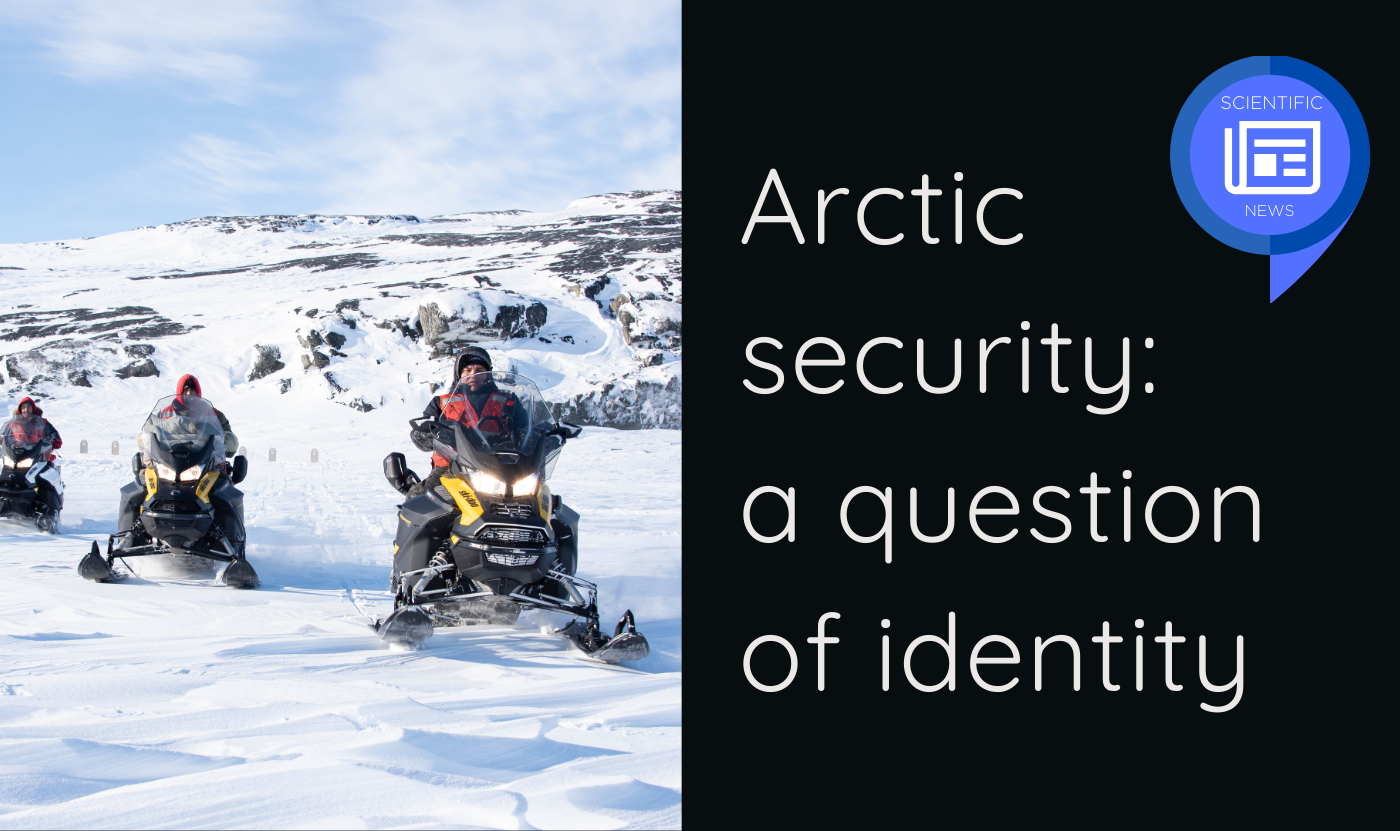
To understand Canadian policy in the Arctic, we need to study Canadian identity. This is the approach taken by Stéphane Roussel, professor at ÉNAP and member of Observatoire de la politique et de la sécurité de l'Arctique.
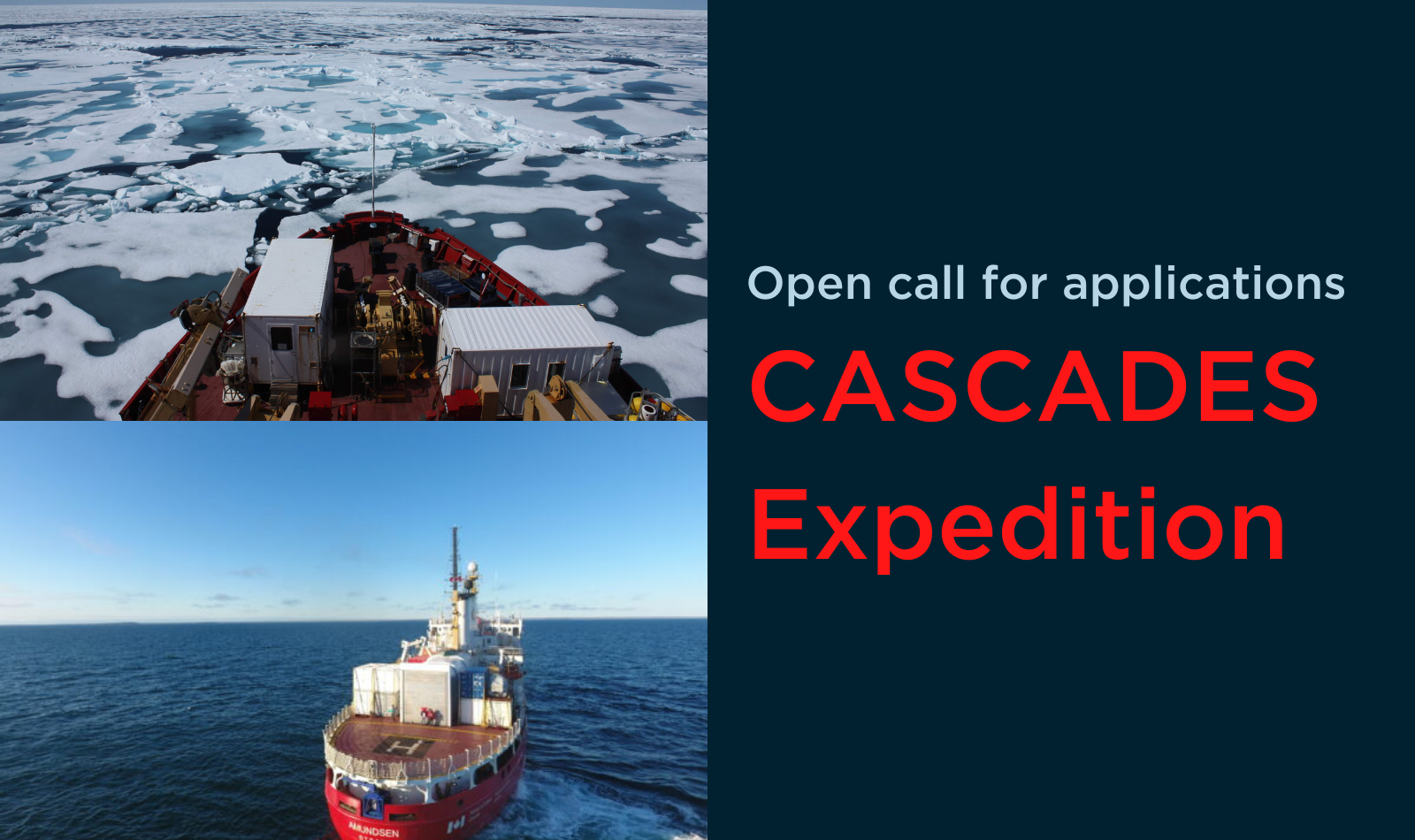
Institut Nordique du Québec (INQ), the Swiss Polar Institute (SPI) and the French Polar Institute Paul-Émile Victor (IPEV) are jointly launching the CASCADES expedition as part of the Peak Program Transforming Climate Action (TCA). Scientists who are members of TCA at Université Laval and Université du Québec à Rimouski (UQAR), their colleagues from Dalhousie University and Memorial University, as well as Swiss and French research teams, are invited to submit their proposals until June 2, 2025. Fieldwork for the selected projects will be conducted during the summer and fall of 2026.
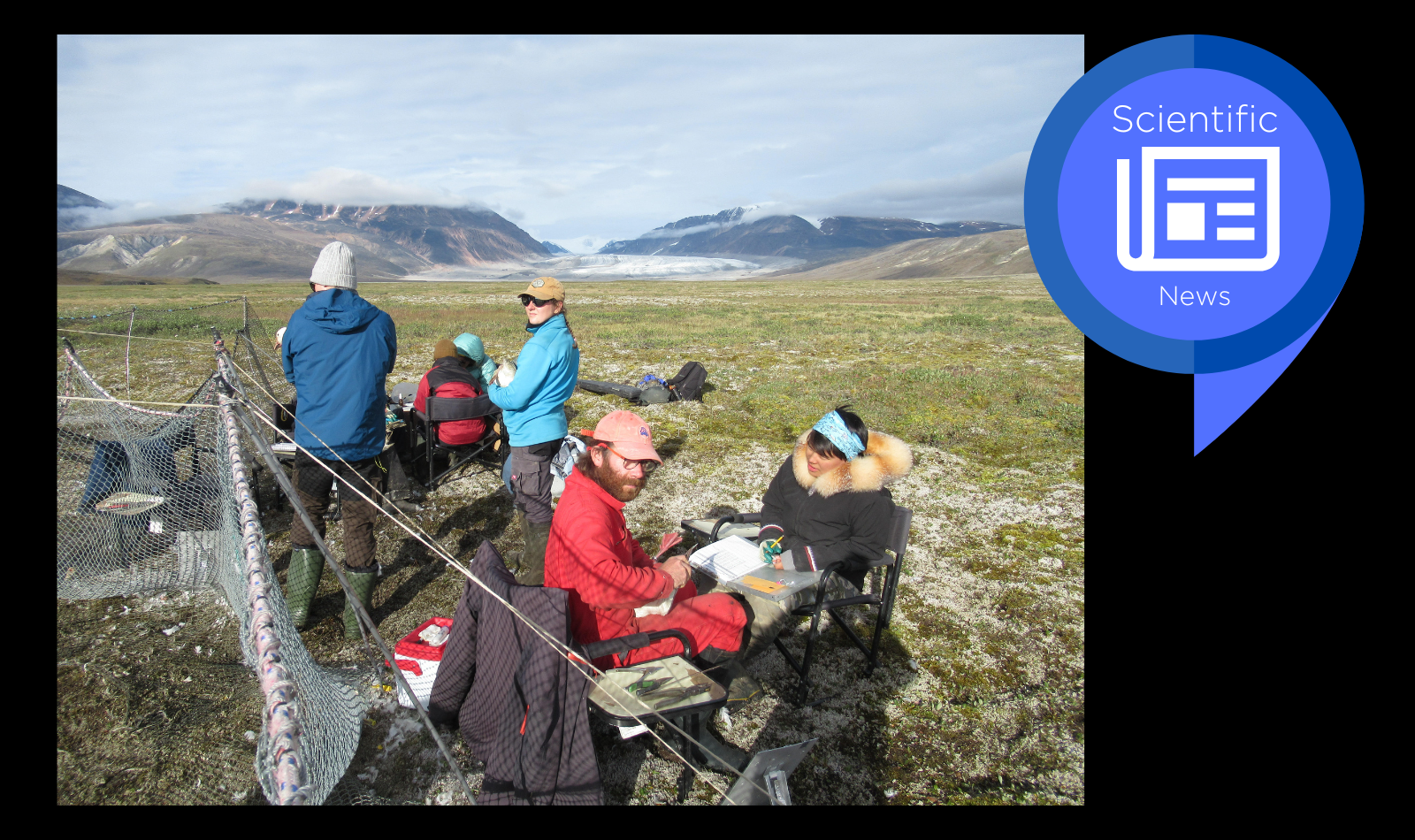
Like a last stop before hitting the motorway, the Greater Snow Geese make a stop along the St Lawrence each spring. This is where they refuel before resuming their flight to their nesting grounds in the Arctic. This stopover has consequences for the dynamics of the ecosystem thousands of kilometres further north.
INQ is launching a call for abstracts (oral communication and scientific poster) for its annual Symposium to be held on May 12-13, 2025 at UQAM under the theme Health - Climate - Environment. Abstract submission deadline: March 31, 2025.
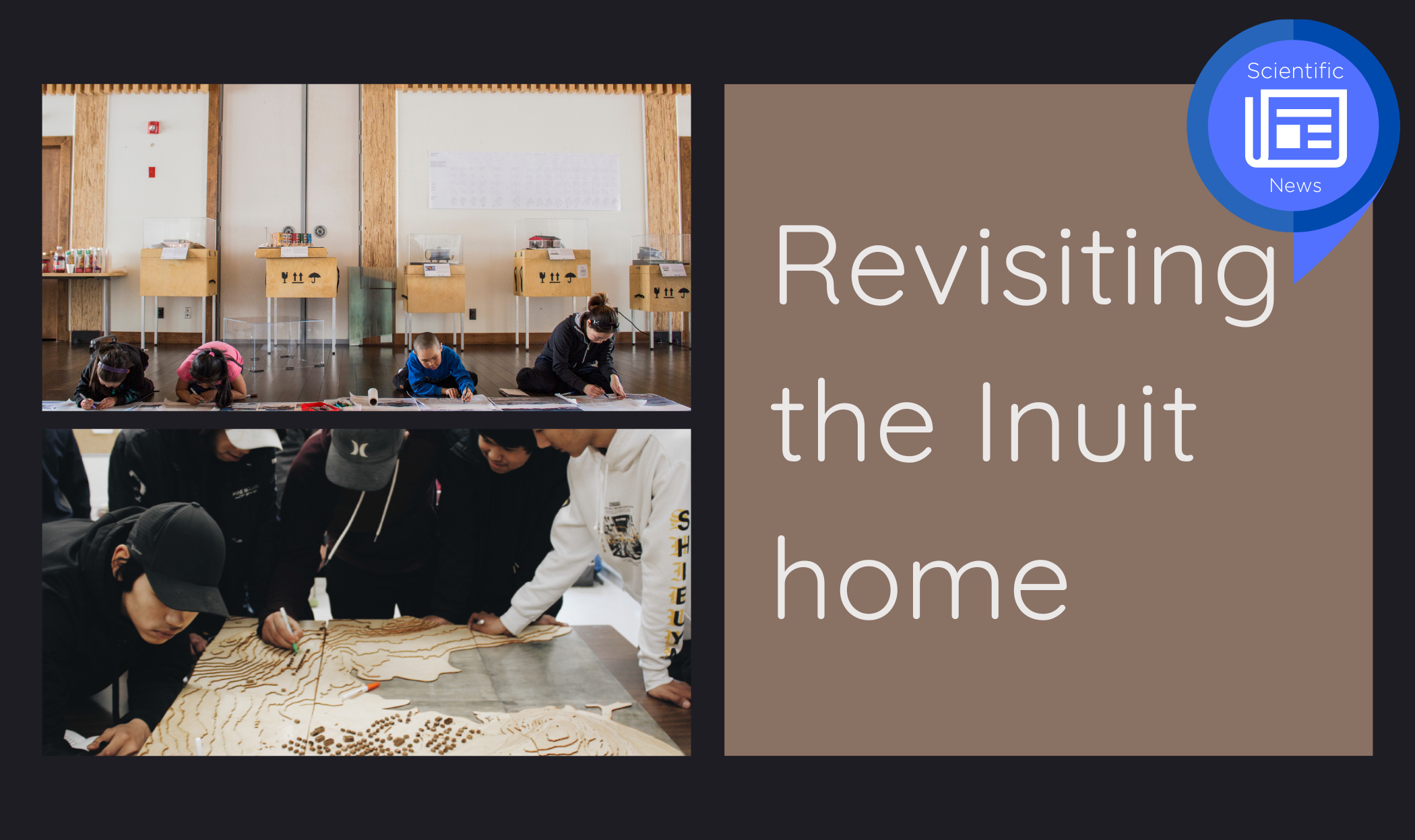
In 1958, everyone in Salluit lived in an igloo," recalls André Casault, a professor at the School of Architecture at Laval University. In just two generations, the Inuit had to learn to live in immobile houses imported from the south.
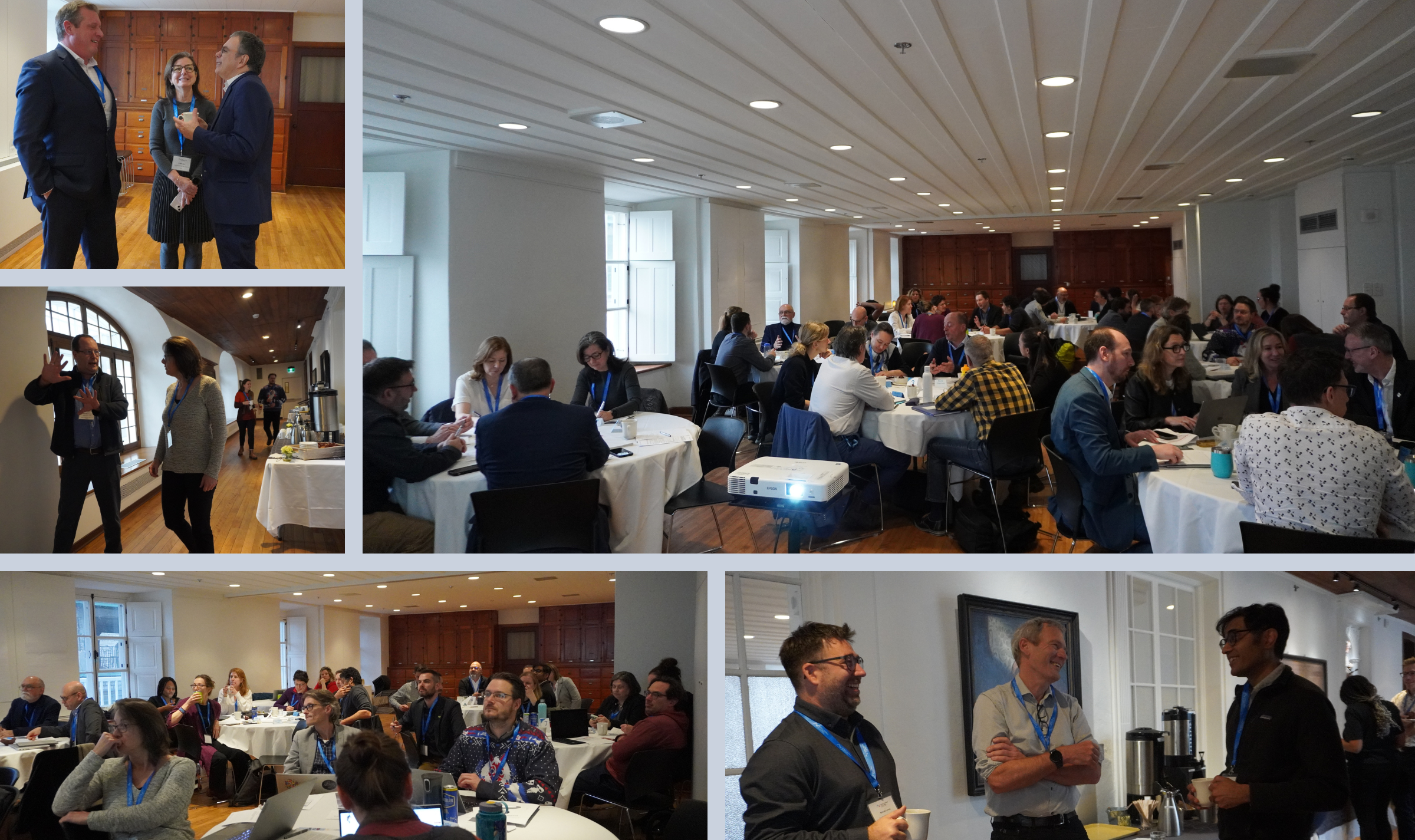
Organized by INQ's First Peoples Committee in October 2023, the forum on “The impact of climate change on ecosystems and indigenous research” brought together over 50 indigenous and non-indigenous research representatives. A report is now available.